
Pigment Applied for Depth and Saturation
Color tattoos in Tyler for clients wanting bold, vibrant work in wildlife, nature, and portrait imagery
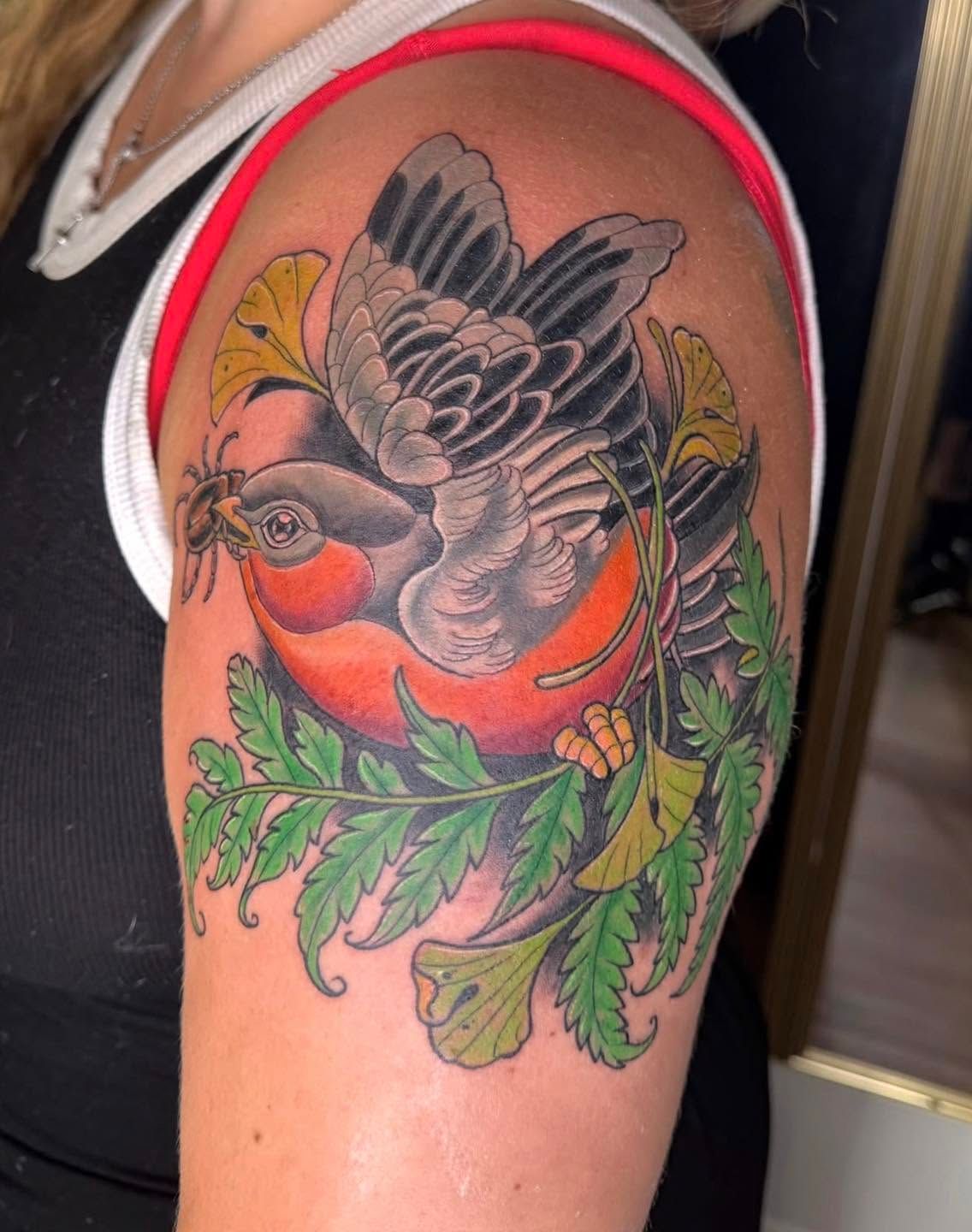
Full-color tattooing demands more than selecting a palette—it requires layering technique that builds saturation from the ground up rather than applying a single pass of pigment. Phat Panda Tattoo Studio applies professional pigment sets and multi-color blending methods to achieve the depth and vibrancy that distinguishes lasting color work from pieces that fade to muddy tones within a few years. East Texas clients frequently request color work for wildlife scenes, botanical imagery, and portrait pieces that reflect the regional landscape, and those subjects reward artists who understand how to mix, layer, and transition between hues on skin.
Color selection at Phat Panda is informed by skin tone compatibility from the start of the design conversation. Certain pigments behave differently on lighter versus darker skin—yellows and pastels that read clearly on pale skin can disappear or shift in tone on deeper complexions, while saturated reds and blues tend to hold well across a broader range. Artists at the studio factor those variables into ink choices before the session begins rather than discovering incompatibility mid-work. Layering technique matters equally: base colors are set first, midtone transitions added next, and highlight pigments placed last to create dimension.
Request a color consultation at Phat Panda Tattoo Studio to review your imagery, discuss skin tone considerations, and plan an approach that maintains vibrancy after healing.
Beyond Boundaries
What Color Tattooing Actually Accomplishes
The goal of quality color work is a finished piece where hues remain distinct from one another after healing rather than blending into a single muddy midtone. Achieving that requires controlling how colors are applied in sequence—layering complementary tones instead of overworking a single area, and leaving appropriate space between color zones so that adjacent pigments don't bleed into each other during healing. Artists at Phat Panda approach color blending with attention to the transition zones between colors, since those gradients define whether a piece reads as polished or overworked.
Once fully healed, a properly executed color tattoo retains clear separation between individual pigment areas, with highlight whites still visible against surrounding colors and dark anchor tones that prevent the overall piece from looking washed out. Clients typically notice the difference between their fresh tattoo and the healed result—fresh ink appears more saturated immediately after a session—but well-packed color work settles into a vibrant finished state that holds for years with proper sun protection.
Color tattoos generally require longer session times than comparable black and gray work because of the additional layering passes involved. Designs with high color complexity, large surface areas, or fine color detail may be split across multiple sessions to allow the skin to recover between applications. Aftercare for color work also plays a direct role in long-term vibrancy—sun exposure after healing is the primary factor that degrades pigment quality over time, which is worth discussing during the planning stage.
Answers to Frequent Color Tattoo Questions
Clients planning their first color tattoo or upgrading from simpler work often have specific questions about how pigment behaves and what affects the longevity of the finished piece.
How does skin tone affect color tattoo results?
Ink pigments interact with the melanin content of the skin beneath them, which means the same color applied to two different skin tones can appear noticeably different—your artist should discuss pigment selection based on your specific complexion before the session.
Why do some color tattoos fade faster than others?
Pigment longevity depends on ink quality, needle depth consistency, and how well the client follows aftercare instructions, particularly regarding sun exposure during the healing period.
What subjects work best for color tattooing?
Designs with natural color variation—wildlife, botanicals, landscapes, and portraits—translate well to color technique because the subject matter supports layered pigment transitions rather than requiring flat color fills.
How many sessions does a large color piece typically require in Tyler?
Session count depends on design complexity and total surface area, but pieces covering more than a quarter sleeve or equivalent body area are typically split into multiple appointments to manage skin trauma and allow pigment to set properly between sessions.
What aftercare steps protect color vibrancy the longest?
Keeping healed color tattoos covered or treated with high-SPF sunscreen during direct sun exposure is the most effective long-term preservation step, since UV light breaks down pigment at a faster rate than almost any other environmental factor.
Phat Panda Tattoo Studio brings the same attention to color selection and layering technique to every piece—call (903) 752-9156 to set up a consultation and start planning your color work.