
Ink That Stays Sharp Over Time
Tattoo Touch-Ups and Aftercare in Tyler for faded pigment, softened lines, or color loss on existing work
Phat Panda Tattoo Studio provides tattoo touch-up services and professional aftercare guidance for clients in Tyler and across East Texas whose existing tattoos have shifted in color saturation, line definition, or overall clarity. Touch-ups are not a correction of poor original work in every case—pigment migration and surface fading happen naturally, and the rate depends heavily on how a tattoo healed during the first several weeks. The East Texas climate, with its humidity and extended sun exposure seasons, accelerates the conditions that pull color from the skin surface faster than in cooler or drier regions.
Touch-up sessions at Phat Panda work from the original design reference to identify which areas have lost pigment density or where linework has softened at the edges. Artists evaluate the skin's current condition before reworking any section—healed skin holds ink differently than fresh skin, and the needle depth and pressure must be calibrated accordingly. Aftercare guidance covers a structured protocol: a cleaning schedule for the first days post-session, a moisturizing timeline that avoids over-saturation, and specific sun protection requirements for both freshly worked and fully healed tattoos, since UV exposure is the most consistent long-term cause of pigment breakdown.
Schedule a touch-up assessment at Phat Panda to review your tattoo's current condition and identify exactly which areas need attention.
Beyond Boundaries
What Proper Tattoo Maintenance Requires
Maintaining a tattoo's appearance over years involves two distinct phases: the immediate post-tattoo healing window and the long-term preservation of healed ink. During a touch-up session, artists work section by section—reintroducing pigment into areas where the original color has migrated toward the surface or dispersed unevenly beneath it. The distinction matters because over-working a healed area can cause trauma to surrounding skin, so the approach is methodical rather than comprehensive reworking of the entire piece.
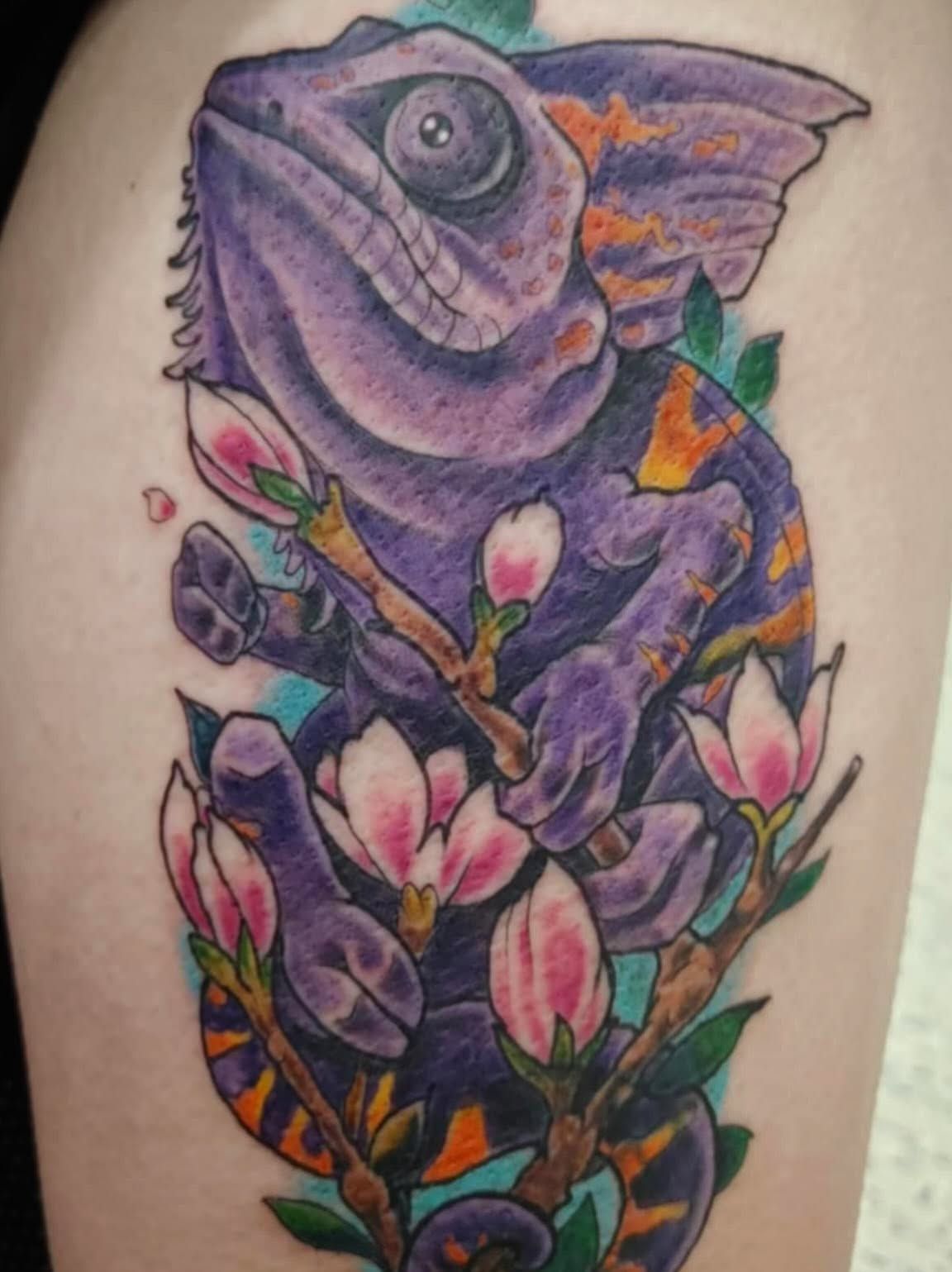
After a touch-up session is complete, clients typically notice a return of contrast and saturation that had gradually diminished—blacks appear denser, colors regain their original separation, and fine lines read more crisply against the skin background. These are observable changes that occur as the skin settles during the healing window following the session. Phat Panda provides aftercare instructions tailored to the specific ink colors used and the skin area treated, since thinner-skinned areas like the inner arm or ribcage heal differently than thicker areas like the outer forearm or calf.
Sun protection after a touch-up is not optional advice—it is the single most controllable factor in how long refreshed pigment lasts. Clients who regularly work outdoors or spend significant time in direct sunlight, which is common in East Texas from spring through late fall, may need to factor in more frequent touch-up intervals. SPF coverage over healed tattoos and protective clothing during peak UV hours extend the lifespan of reworked ink considerably.
Common Questions About Tattoo Touch-Ups and Aftercare
These questions reflect what clients most often ask before scheduling a touch-up session, particularly those dealing with work done years ago or tattoos that healed unevenly the first time.
How do I know if my tattoo needs a touch-up or a full rework?
If specific areas have lost pigment density but the overall structure of the design remains intact, a targeted touch-up is typically appropriate. A full rework becomes relevant when linework has spread significantly or the composition no longer reads clearly.
What causes tattoo ink to fade faster in East Texas?
Extended sun exposure during the long Texas warm season is the primary accelerant, but repeated moisture from humidity can also affect the skin's surface layer over time, particularly on tattoos placed in areas that experience friction from clothing or movement.
When is the right time to schedule a touch-up after an original tattoo?
Most artists recommend waiting a minimum of four to six weeks after the original session to allow the skin to fully heal and settle before evaluating which areas may need additional pigment.
Why does aftercare matter for already-healed tattoos and not just new ones?
Sun protection applied consistently to healed tattoos slows the UV-driven pigment breakdown that creates the washed-out appearance most clients are trying to avoid—aftercare is an ongoing practice, not just a first-week routine.
What should I bring to a touch-up appointment at Phat Panda?
Bringing reference photos of how the tattoo looked when originally completed helps artists compare the current state against the intended design and prioritize which sections need the most attention during the session.
Phat Panda Tattoo Studio works with clients across the Tyler area to evaluate existing tattoos and develop a specific plan for restoring pigment and line quality—contact the studio directly to describe your tattoo's current condition and arrange a session.